Embracing the Roots: A Deep Dive into the World of Organic Farming
Embracing the Roots: A Deep Dive into the World of Organic Farming
In an era where “sustainable” and “healthy” are more than just buzzwords, organic farming is steadily moving from a niche practice to a mainstream agricultural approach. But what does “organic” truly mean? And why is it gaining such traction among farmers, consumers, and environmental advocates alike? This blog post will delve into the core principles of organic farming, exploring its multifaceted benefits, common techniques, inherent challenges, and the promising future it holds. We’ll also touch on how you, as a consumer, can navigate the world of organic products.
What is Organic Farming? A Return to Natural Harmony
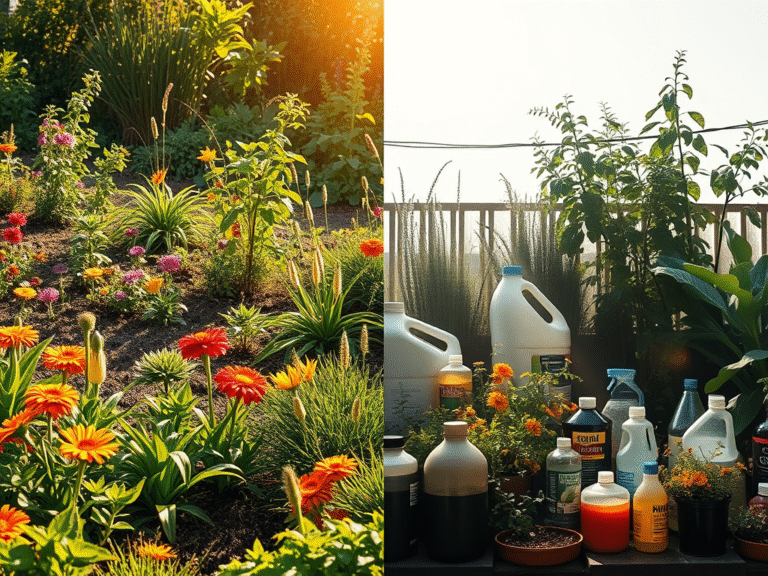
At its heart, organic farming is an agricultural system that strives to produce food in a way that works in harmony with nature, rather than against it. It emphasizes the use of natural inputs and methods while strictly avoiding or limiting the use of synthetic substances such as chemical fertilizers, pesticides, herbicides, genetically modified organisms (GMOs), and growth hormones in livestock. The core philosophy revolves around building healthy soil, promoting biodiversity, and ensuring the humane treatment of animals, all while minimizing environmental impact.
The Bounty of Benefits: Why Choose Organic?
The advantages of organic farming are far-reaching, touching everything from environmental health to personal well-being.
Healthier Food, Healthier People: While the debate on nutritional superiority continues, organic foods generally offer:
Animal Welfare: Organic standards mandate that animals are raised in conditions that allow for natural behaviors, including access to the outdoors, fresh air, and organic feed.
Farm Resilience: Healthy, organic soils are often more resilient to extreme weather conditions like droughts and floods. Reduced reliance on expensive external inputs can also make organic farms more economically stable in the long run.
The Toolkit of an Organic Farmer: Key Techniques and Practices
Organic farmers employ a diverse range of techniques to achieve their goals:
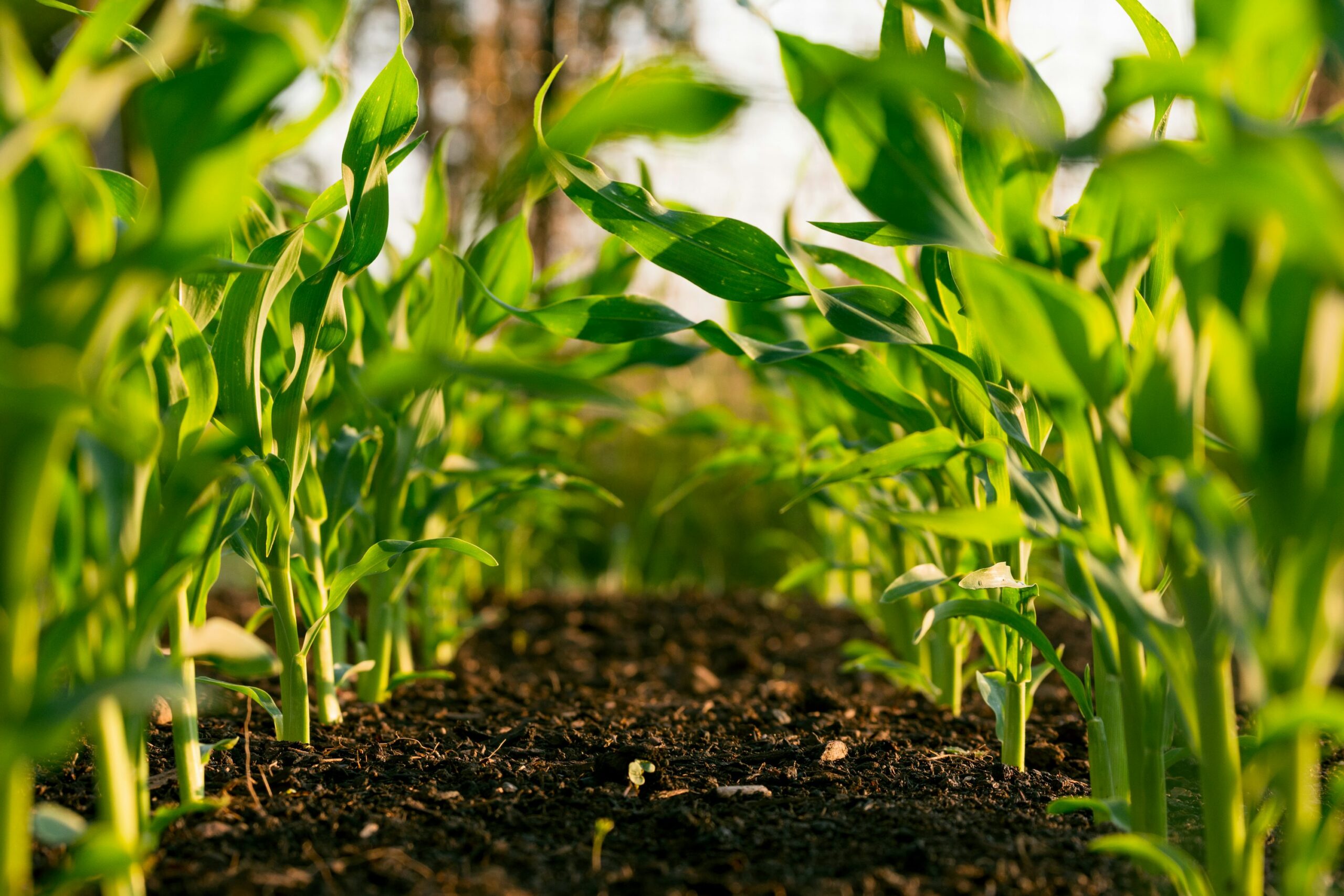
Soil Management: This is the cornerstone of organic farming. Practices include:
Pest and Weed Management: Without synthetic chemicals, organic farmers rely on:
Navigating the Hurdles: Challenges in Organic Farming
Despite its numerous benefits, organic farming is not without its challenges:
Solutions and Support: Fortunately, many of these challenges can be addressed through:
Getting Started: The Path to Organic Farming
For those inspired to embark on an organic farming journey, here’s a simplified overview of the steps involved:
Land Selection and Assessment: Choose land suitable for organic farming. If the land was previously farmed conventionally, a transition period (often 3 years) is required during which no prohibited substances are applied before produce can be certified organic. Soil testing is crucial to understand its current health.
Gather Knowledge: Learn about organic principles, techniques suitable for your chosen crops and local climate, and the certification requirements.
Develop an Organic System Plan (OSP): This is a detailed plan outlining all aspects of your farming operation, from seed sourcing and soil management to pest control and record-keeping. It’s a key document for certification.
Choose Appropriate Crops and Seeds: Select crops suited to your region and soil. Use organic seeds whenever available.
Implement Organic Practices: Begin managing your farm according to organic standards, focusing on building soil health and natural pest control.
The Certification Process:
- Contact a Certifying Agent: Choose an accredited certifying body. They will provide application materials and fee schedules.
- Submit Application & OSP: Complete and submit your application and Organic System Plan.
- Initial Review: The certifier reviews your application.
- On-Site Inspection: An inspector visits your farm to verify that your practices comply with organic standards.
- Certification Decision: If everything is in order, you receive organic certification.
- Annual Renewal: Certification typically requires annual inspections and updates to your OSP.
(Note: In some regions, like India, specific national programs like the National Programme for Organic Production (NPOP) govern certification. There are also alternative systems like Participatory Guarantee Systems (PGS) for local markets in some areas.)
The Future is Organic: Trends and Outlook
The future of organic farming looks bright, driven by several key factors:
- Growing Consumer Demand: Increasing health consciousness, environmental awareness, and a desire for ethically produced food are fueling a surge in demand for organic products globally. The organic market is projected to continue its significant growth.
- Technological Integration: Innovations like AI, machine learning, drones for precision farming, IoT-based greenhouse automation, and blockchain for traceability are being increasingly adopted in organic systems to improve efficiency and sustainability.
- Supportive Government Policies: Many governments are recognizing the role of organic farming in sustainable agriculture and are offering financial incentives, research funding, and streamlined certification.
- Focus on Climate Resilience: Organic farming’s ability to build healthy soils and conserve water makes it a key strategy for adapting to climate change.
- Expansion of Organic Acreage: Globally, the area of land dedicated to organic farming is increasing.
- Growth in Organic Processed Foods and Livestock Products: The demand extends beyond fresh produce to include a wider range of organic options.
However, challenges like potentially lower productivity compared to intensive conventional methods (a concern for global food security) need ongoing research and innovation to address.
A Consumer’s Guide: Choosing Genuine Organic Products
As a consumer, you play a vital role in supporting the organic movement. Here’s how to make informed choices:
Understand Different Labels:
- “100% Organic”: All ingredients and processing aids must be certified organic.
- “Organic”: At least 95% of the ingredients must be certified organic.
- “Made with Organic Ingredients”: At least 70% of the ingredients must be certified organic (these products cannot display the main organic seal but can list the organic ingredients).
Conclusion: Cultivating Healthier Tomorrow
Organic farming is more than just a set of agricultural techniques; it’s a philosophy rooted in respect for nature, a commitment to long-term sustainability, and a desire for healthier food systems. While challenges exist, the growing momentum behind the organic movement, driven by conscious farmers and consumers, points towards a future where food production nourishes both people and the planet. By understanding and supporting organic agriculture, we can all contribute to cultivating a healthier, more resilient, and truly sustainable world.
We’d love to hear your thoughts! Do you choose organic? What are your biggest questions or concerns about organic farming? Share your comments below!