Organic vs Chemical Gardening: Choosing the Healthier Path
Introduction: The Crossroads of Gardening
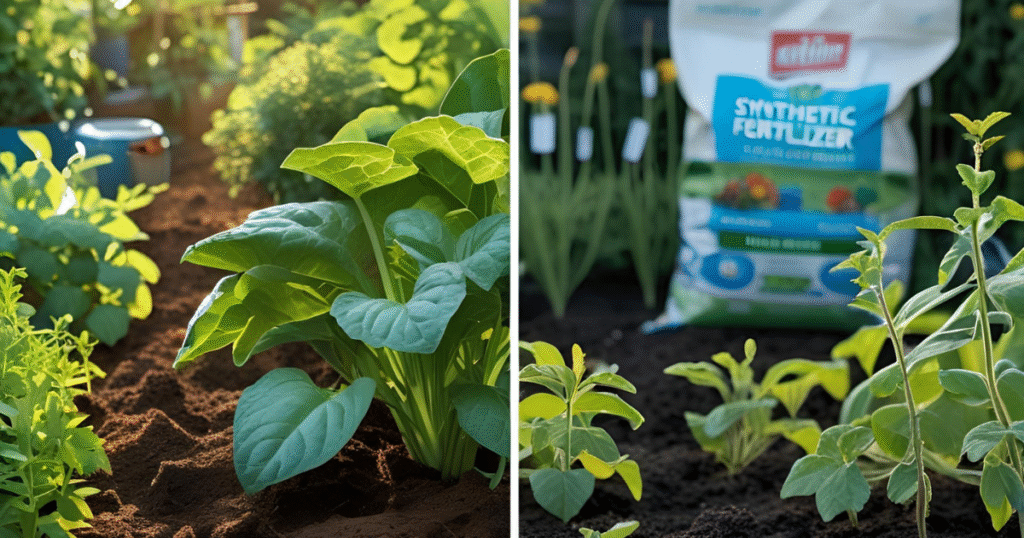
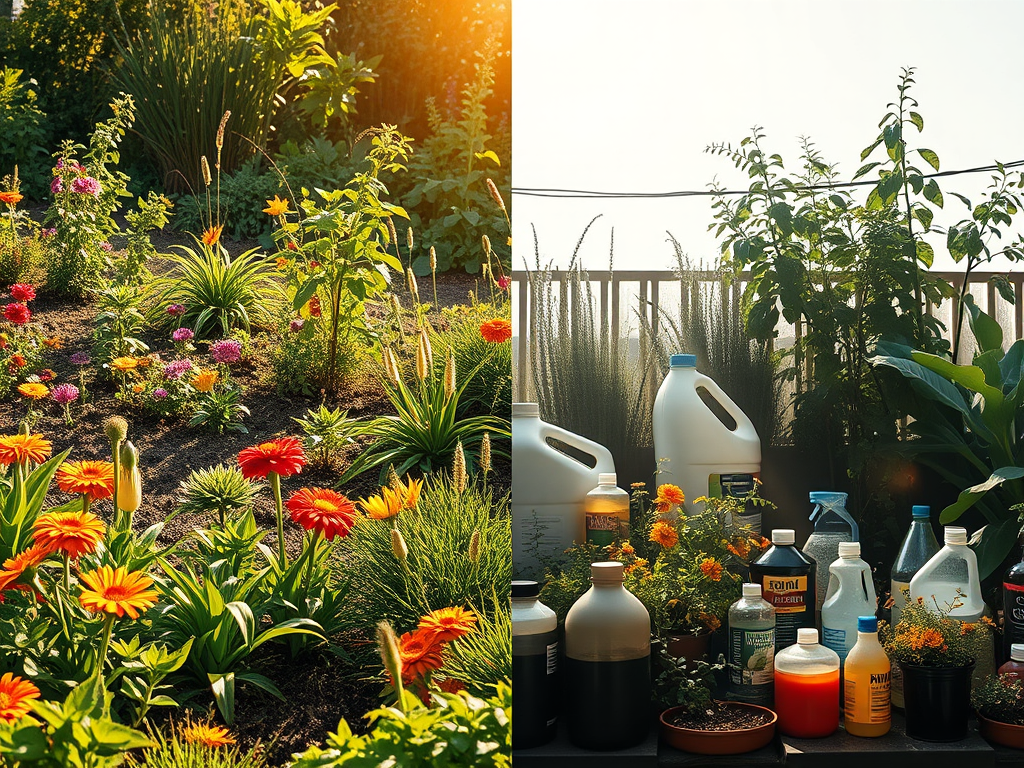
Imagine standing at a crossroads in your garden. One path is vibrant and teeming with natural life, the air filled with the sweet scent of blossoms and healthy soil. The other, perhaps seemingly easier, promises quick results but carries an unseen weight. This is the choice between organic and chemical gardening – a decision that impacts not just the health of your plants, but also your well-being and the environment around you, right here in Vadodara and beyond.
At Rudra Organics, our roots are firmly planted in the belief that nature provides the most sustainable and beneficial solutions for your garden. Let’s delve into why choosing an all-natural approach is the wiser, healthier path for both your green haven and your family.
The Allure of Quick Fixes: Understanding Chemical Gardening
Chemical fertilizers and pesticides are designed for rapid action. They deliver concentrated nutrients directly to plants and can swiftly eliminate pest infestations. This immediate impact can be tempting, especially when faced with visible problems like stunted growth or a sudden influx of pests. However, like many quick fixes, the long-term consequences often outweigh the short-term gains.
The Hidden Costs of Chemical Dependence
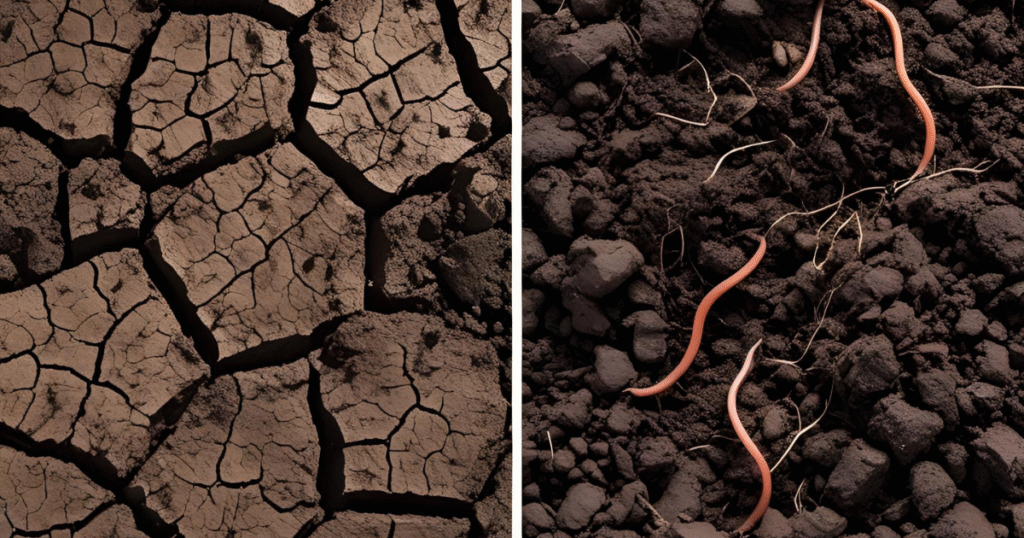
- Soil Degradation: Chemical fertilizers, while providing instant nourishment, don’t improve soil structure. Over time, they can lead to soil compaction, reduced microbial activity (the beneficial organisms crucial for healthy plant growth), and a dependence on synthetic inputs. Your soil, the very foundation of your garden, becomes less alive and less fertile naturally.
- Environmental Impact: Runoff from chemically treated gardens can contaminate local water sources, harming aquatic life and potentially impacting drinking water. Chemical pesticides can also be indiscriminate, harming beneficial insects like bees and butterflies – vital pollinators for our food ecosystem.
- Health Concerns: Residues from chemical pesticides and fertilizers can remain on fruits and vegetables. While regulations exist, concerns persist about the potential long-term health effects of consuming these residues. For families who grow their own food to ensure its purity, this is a significant consideration.
- Creating Super Pests: Overuse of chemical pesticides can lead to the development of pest resistance, requiring stronger and more harmful chemicals over time.
The Enduring Benefits of Organic Gardening: Nurturing Life from Within
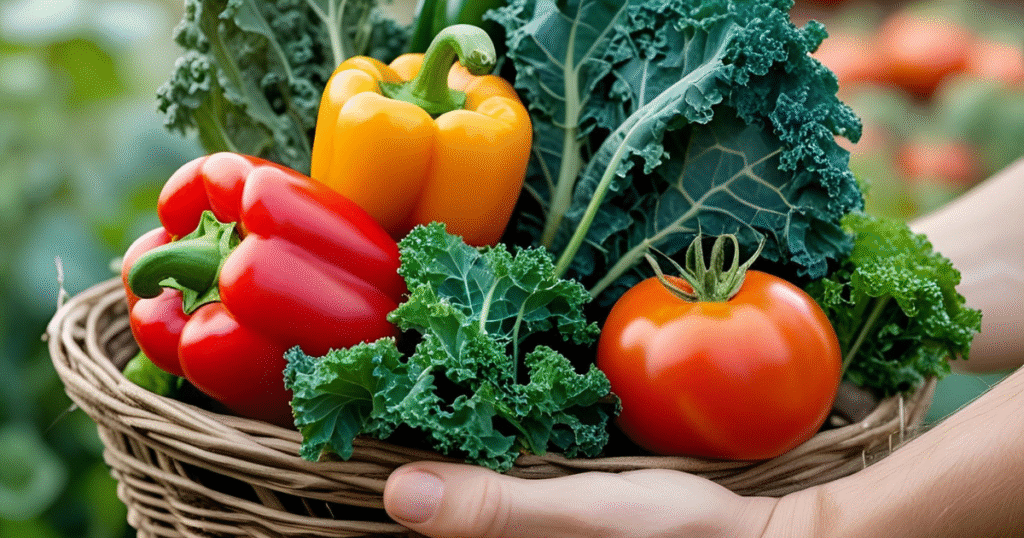
Organic gardening, on the other hand, embraces nature’s wisdom. It focuses on building healthy soil, fostering a balanced ecosystem, and using natural methods to nourish plants and manage pests.
- Healthy, Living Soil: Organic practices, such as composting and using organic fertilizers like what forms the base of Amrutras the Growth Booster, enrich the soil with organic matter. This improves soil structure, water retention, and provides a thriving environment for beneficial microorganisms. Healthy soil leads to stronger, more resilient plants.
- A Thriving Ecosystem: Organic gardens encourage biodiversity. By avoiding harsh chemicals, you create a habitat where beneficial insects and birds can flourish, naturally helping to keep pest populations in check.
- Safe and Nutritious Food: When you choose organic, you can be confident that the fruits and vegetables you harvest are free from harmful chemical residues. This is especially important for families and those conscious about what they consume.
- Long-Term Sustainability: Organic gardening is a sustainable practice that works in harmony with nature. It improves soil health, reduces environmental pollution, and creates a garden that can thrive for years to come, without constant reliance on synthetic inputs.
- Gentle yet Effective Nourishment with Amrutras: Products like Amrutras the Growth Booster embody the principles of organic gardening. Formulated with natural ingredients, Amrutras gently nourishes your plants, strengthens their roots, and enhances their overall health and vitality. It works with the soil ecosystem, not against it, leading to robust growth and increased resistance to pests and diseases naturally.
Making the Switch: Embracing the Organic Path
Transitioning to organic gardening might seem daunting, but even small steps can make a big difference.
- Start with your soil: Amend your soil with compost and organic matter.
- Choose organic fertilizers: Opt for natural options like compost, vermicompost, or a balanced organic booster like Amrutras.
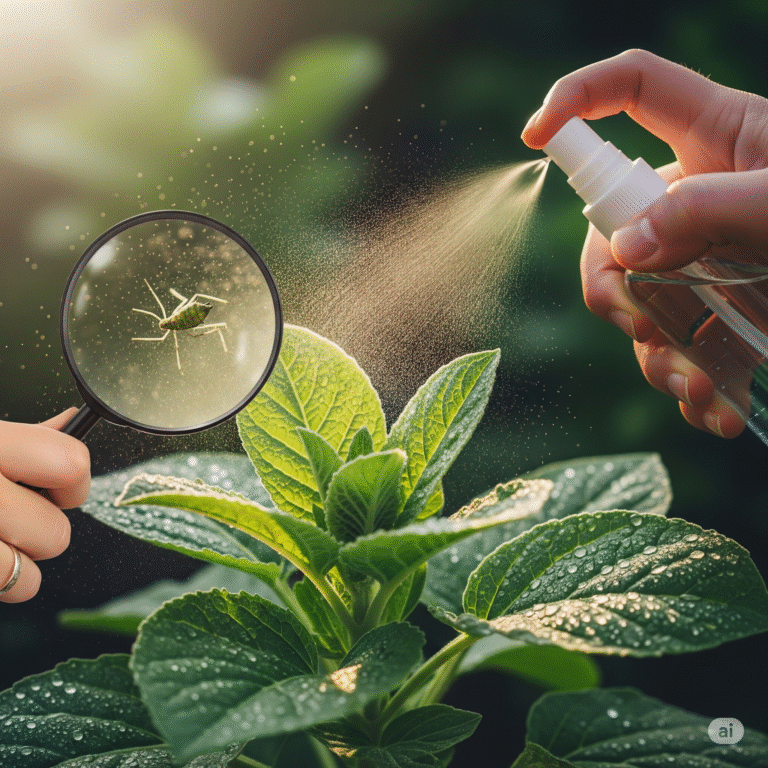
- Practice natural pest control: Encourage beneficial insects and use homemade remedies like Neem oil or soapy water (refer blog on DIY Organic Pesticides) .
- Be patient: Organic gardening focuses on long-term health, so results might be gradual, but they are sustainable and beneficial.
Conclusion: A Healthier Garden, A Healthier You
The choice between organic and chemical gardening is ultimately a choice about the kind of world we want to cultivate – both in our backyards and beyond. By choosing an all-natural approach, you’re not just growing beautiful plants; you’re nurturing a healthier environment, safeguarding your family’s well-being, and creating a sustainable oasis that thrives in harmony with nature.
At Rudra Organics, we are committed to providing you with the tools and knowledge you need to succeed in your organic gardening journey. Explore our range of natural products, including Amrutras the Growth Booster, and experience the joy of a truly healthy and vibrant garden.

Grow Naturally. Grow Healthy. Grow with Rudra Organics.
Ready to get started?
Visit rudraorganics.in and transform your garden, one natural step at a time!